Inside Rigid Chain Technology: Engineering Motion that Lasts
Published on January 18, 2024
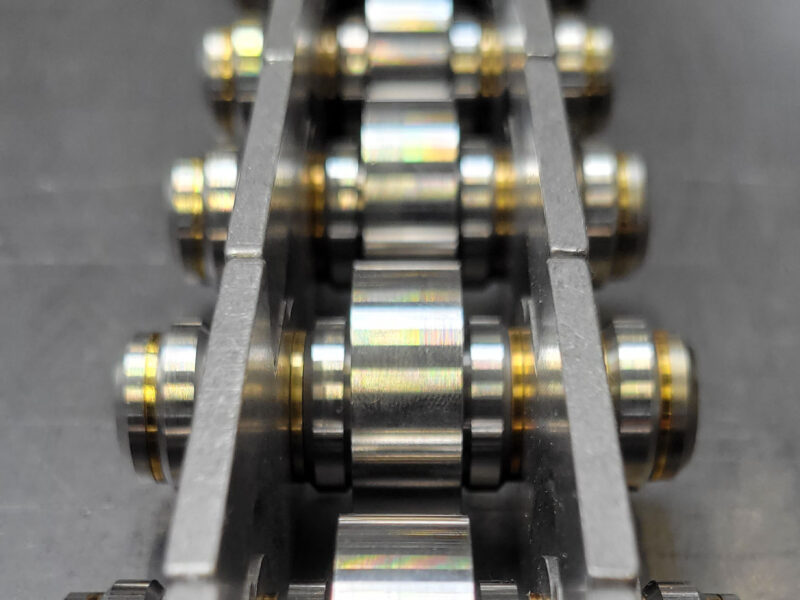
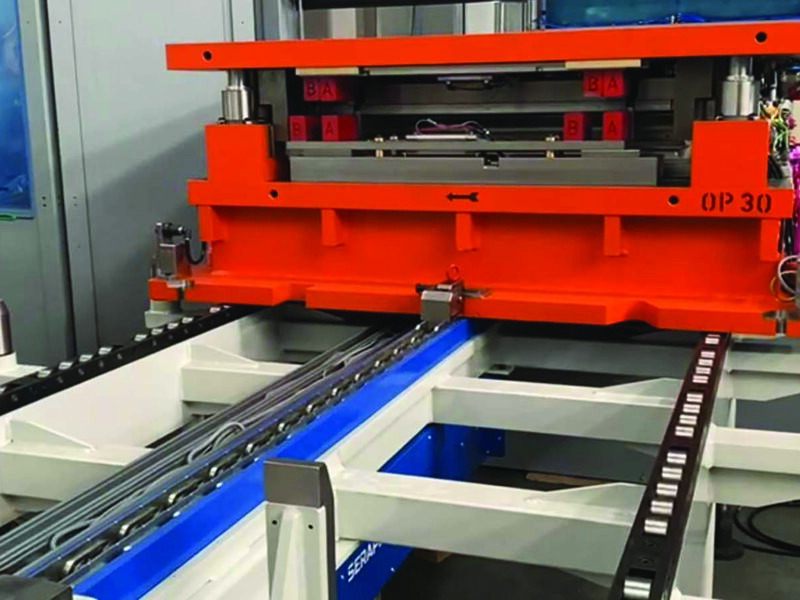
Rigid Chain Technology (RCT) is the mechanical answer to lifts that must not fail. Where hydraulics leak, ropes fatigue and traction drives need machine rooms, an interlocked chain column pushes and pulls from the base — resolving loads into the foundation, storing flat, and holding position without electronic re-levelling.
This piece walks through the three principles that make the technology work, and why they matter more than raw specification numbers.
Learn from people better than you
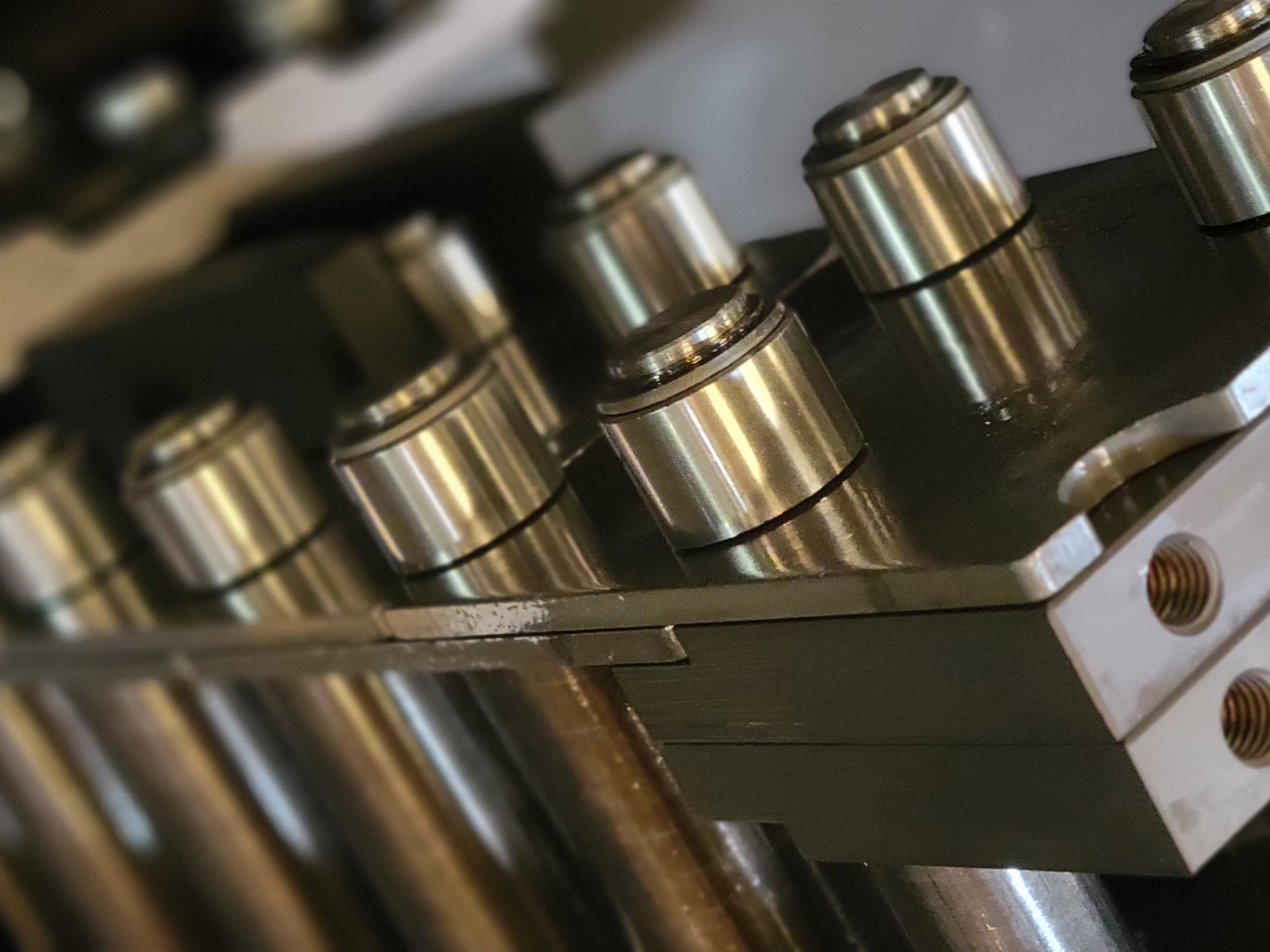
Half of what SERAPID engineers know about how rigid chain behaves under load came from customers describing what broke on the previous technology. A steel plant explaining why the hydraulic re-levelling drifted every eighteen months, a station operator explaining why the traction machine could not survive the salt, a heritage architect explaining why the borehole could never be cut — those conversations, taken together, are the specification the technology was built to.
The corollary matters as much: nothing on the SERAPID stand at an exhibition was designed in isolation. Every product line in the range traces back to a customer describing a problem the catalogue could not solve, and to an engineering team that took the constraint seriously enough to redesign around it.
If you love it, it’s easy to hone your craft every day and become awesome
Fifty years of linear motion work in nuclear, defence, heavy industry, aerospace and heritage buildings is the kind of specialism you can only build if the same team stays with it. RCT is not a range that gets refreshed on a five-year cycle to look new — it is a technology whose refinements are cumulative, where the chain profile of 2025 carries the marks of every duty cycle it has been tested against since the 1970s.
That accumulation shows up in the specifications customers care about: the one-million-cycle guarantee, the temperature envelope, the tolerance for eccentric loads, the retrofit into buildings the standard was never written for. None of them were achievable at the start; all of them are catalogue values now.
This piece walks through the three principles that make the technology work, and why they matter more than raw specification numbers.
Related articles