Industrial Handling
Implementing Quick Die Change Equipment and Creating an Effective System: A Step-by-Step Guide
Published on April 10, 2026
Metal forming companies are under intense pressure to boost productivity, reduce downtime, and meet increasingly stringent safety and environmental standards. In a crowded market, incremental improvements are no longer sufficient — strategic system upgrades are becoming essential to stay competitive and profitable.
One of the main sources of inefficiency is the die change process. Moving multi-ton dies with precision is time-consuming, labor-intensive, and high risk. Traditional methods can halt production for hours, increasing costs while exposing operators and equipment to unnecessary risk. For forward-thinking press engineers and plant managers, this represents a critical opportunity for transformation: the die change process is one area that lends itself particularly well to the introduction of innovative automation solutions.
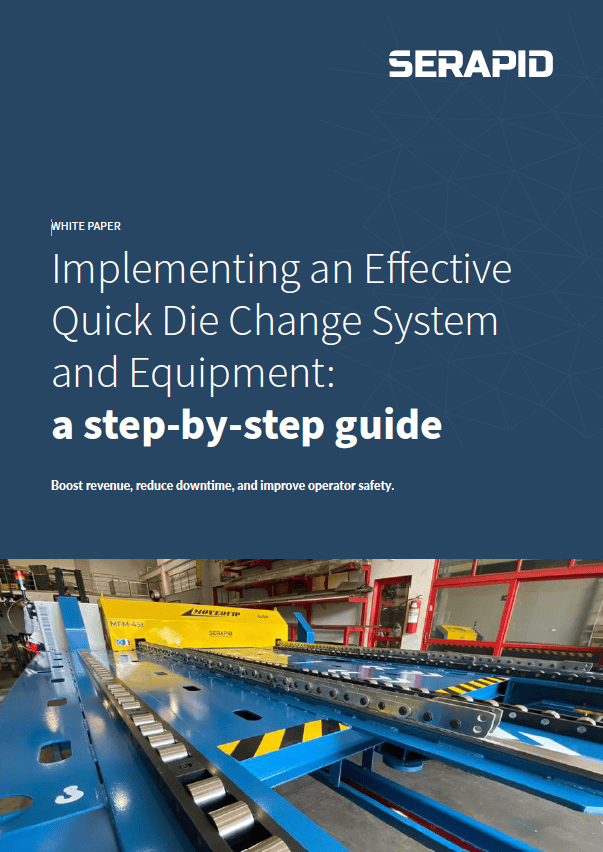
SERAPID has created a step-by-step guide for implementing Quick Die Change in a convenient white paper.
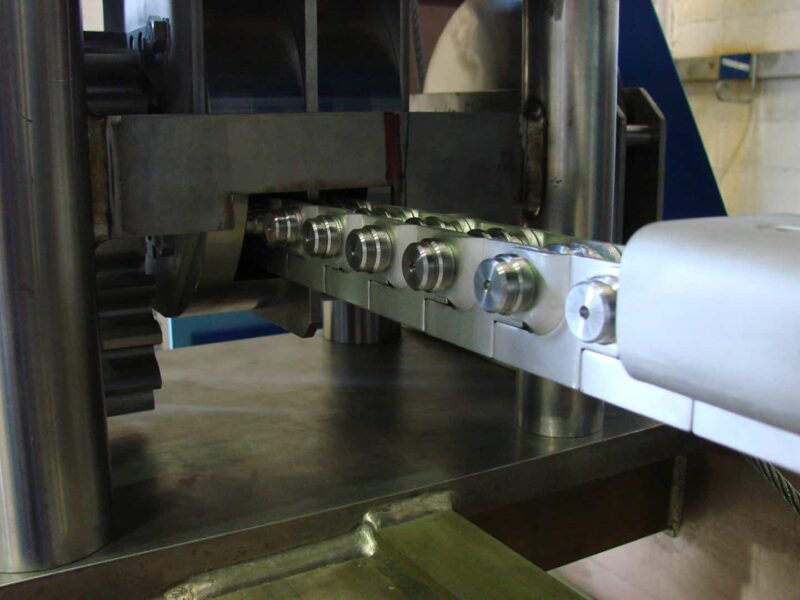
Quick Die Change systems are redefining what’s possible. By integrating automated positioning, lifting, and quick-release mechanisms, they dramatically reduce changeover time while improving safety and accuracy. At the heart of many of these systems is Rigid Chain Technology (RCT) — a powerful innovation that extends into a solid, load-bearing bar to move heavy dies smoothly and precisely along a linear path.
–> If you’re looking to cut downtime, enhance safety, and unlock measurable productivity gains, this guide explains how.
Metalforming companies and press rebuilders… this one’s for you!
If you’re a plant manager or engineer and want to boost profitability and improve efficiency in your press operations, or a press rebuilding company seeking to offer cutting-edge technology and position yourself as an industry leaders in the retrofitting of both new and legacy press operations, this guide offers a concise overview of quick die change systems and what they can offer.
Implementing a Quick Die Change system doesn’t have to be an all-at-once change. Thanks to modular design, upgrades can be phased in to match your budget, space, and operational goals. This is ideal for companies that want to begin automating but may not be ready to overhaul their entire press operation at once. The guide provides a practical roadmap for gradual, strategic implementation…
In addition to providing a simple 3-step guide to evaluating existing press operations and designing your upgrade, we also provides a brief overview of what Quick Die Change systems are, accompanied by clear and understandable and clear information on:
- Key components that make up a modern Quick Die Change system
- The importance of Quick Die Change systems in increasing efficiency and increasing productivity
- How the revolutionary Rigid Chain Technology is an optimal solution for powering press automation and Quick Die Change
- The business case for automation in boosting efficiency and profitability, while also improving plant safety
A comprehensive Checklist for Designing Your Quick Die Change System
The paper finishes with a detailed checklist to ensure you don’t overlook any critical factors when designing your Quick Die Change system. From standardizing dies* and integrating with existing operations, to calculating *clamping force and selecting the correct die carts or transfer tables , this checklist serves as a comprehensive guide to ensure you’ve covered all bases.
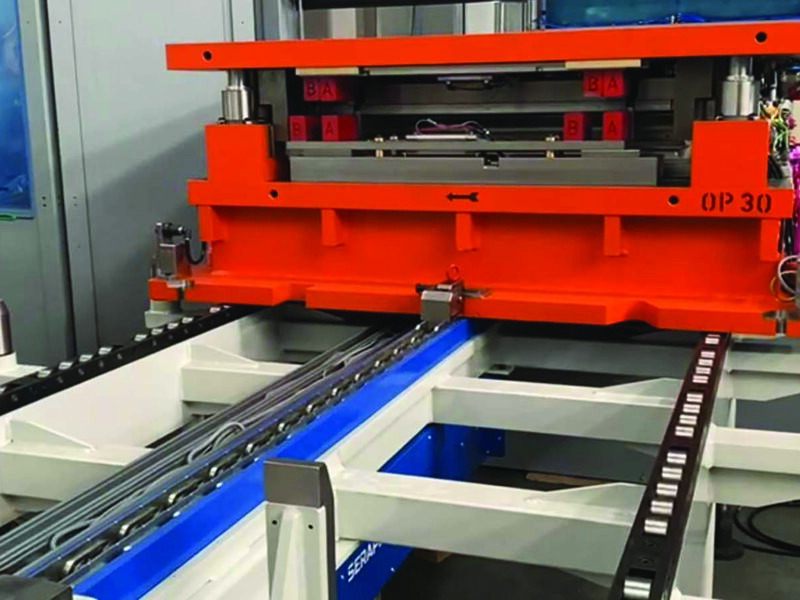
SERAPID QDX system with Rigid Chain Technology for Quick Die Change
Implementing a Quick Die Change system can be a transformative decision and a major step towards improving operational efficiency and minimizing downtime — but only with appropriate guidance and expertise. This white paper is your step-by-step guide to successfully implementing a Quick Die Change system in press rebuilding or integration projects.
Discover how Quick Die Change systems can revolutionize press operations and sharpen your competitive edge.
Related articles